Table of Contents Show
You are three years into running your company. On a Thursday afternoon, a prospect on a sales call asks a simple question: “Where have I seen you?”
You mention your website and a LinkedIn post that did well last spring. The prospect nods politely. The call ends without a next step.
That night you open a blank calendar and count forward 90 days. The question is not whether you know your field. It is whether anyone outside your client list can see that you do.
Quick answer
To build founder authority in 90 days, pick one specific idea you can defend, create a piece of original proof such as data or a clear framework, then spend the middle weeks earning independent press and podcast appearances around it. Use the final weeks to repurpose that coverage and measure branded search and AI mentions.
Key takeaways
- Authority comes from independent proof, not more content on your own site.
- Spend the first month on one idea and one original proof asset.
- Pitch fewer, better-matched outlets; journalists say most pitches miss.
- Podcasts reach a majority of Americans 12 and older each month.
- Measure branded search and AI mentions in week 13, then plan the next quarter.
What does founder authority actually mean?
Authority is what other people say about you when you are not in the room. For a founder, that usually means three things: a clear idea you are known for, independent sources that back it up, and a steady trail of appearances where buyers and journalists can find you.
Google’s own guidance points the same direction. Its May 2026 guide to optimizing for generative AI features in Search stresses “non-commodity content” and a unique point of view. It also warns that chasing inauthentic mentions across the web “isn’t as helpful as it might seem.”
So the plan below does not rely on tricks. It relies on doing a few real things in the right order. Ninety days will not make you famous. It can make you findable and quotable.
| Weeks | Focus | Output by the end |
|---|---|---|
| 1–2 | Position | One-sentence idea, refreshed bio, headshot, media kit |
| 3–4 | Proof | One original asset: data, framework or detailed teardown |
| 5–6 | Targets | A list of 20 to 30 outlets and shows that fit |
| 7–10 | Outreach | Pitches sent, podcast guest spots booked, first coverage |
| 11–12 | Repurpose | Coverage turned into posts, a press page and sales assets |
| 13 | Measure | Baseline compared, next quarter planned |

What should you do in weeks 1 and 2?
Pick the one idea you want to be known for. Not your company’s tagline. An argument. “Small manufacturers are overpaying for software they barely use” is an argument. “We help manufacturers grow” is not.
Test it with a simple rule: could a reporter disagree with you? If not, the idea is too safe to quote.
Saying yes to one idea means saying no to others for a quarter. That feels limiting. It is also how people start to connect your name with a specific problem.
Then fix the basics a journalist or podcast host checks in the first five minutes. Update your bio in three lengths: one line, one paragraph and 150 words. Get a current headshot. Build a one-page media kit with your idea, credentials and two or three topics you can speak on. Our step-by-step guide to designing a media kit covers what belongs on it.
Finally, write down a baseline. Search your name and company in Google. Ask ChatGPT, Gemini and Perplexity the three questions your buyers ask most and note who gets named. You will need these notes in week 13.
How do you create proof in weeks 3 and 4?
This is the step most founders skip, and it is the one that makes the rest work. Reporters do not need your opinion as much as they need something new to report.
The industry data backs that up. In Cision’s 2026 State of the Media survey of 1,899 journalists, released May 13, respondents said they most value original research, expert access and embargoed information. The same survey found 66% rely on PR-provided content for story ideas.
Choose one proof asset you can finish in two weeks:
- A small survey of your customers or your industry, with honest sample sizes stated up front.
- Anonymized numbers from your own operations, such as average time saved or common mistakes you see.
- A named framework that explains how you solve the problem, with steps a reader can use.
- A teardown of a public trend in your field, with your read on where it goes next.
Publish it on your own site in plain language. It becomes the thing every pitch, podcast and post points back to.
Quick authority check
- Can you state the one idea you want to be known for in a single sentence?
- Do you have original data or a framework a reporter could cite?
- Has an independent outlet or podcast featured you in the past year?
- Do you have a current bio, headshot and media kit ready to send?
- Do you know your branded search numbers today?
If you answered no to two or more, start with earned media.
Who should you target in weeks 5 and 6?
Build a list of 20 to 30 outlets and shows. Fewer, better matches will beat a blast to hundreds.
Relevance is the biggest gap in most outreach. Cision found 72% of journalists say fewer than a quarter of the pitches they receive are relevant. Read three recent pieces by each reporter before adding them to your list.
Add one more filter that most PR plans miss. When Muck Rack studied AI citations in late 2025, it found only 2% overlap on average between the journalists PR teams pitch most and the ones AI engines cite most for a brand. Look at the outlets that showed up in your week-two AI searches and give them priority.
Split your list into three groups: trade publications your buyers read, local or regional business press, and podcasts in your niche. The trade titles often matter more than national names. As our profile of building authority in a niche shows, depth in a small field tends to outlast a single big splash.
How should you run outreach in weeks 7 through 10?
This is the longest stretch because coverage takes time. Send a few tailored pitches each week instead of one mass send.
Each pitch should do three things in under 200 words: tie your proof asset to something the reporter already covers, state the one finding that is new, and offer you as a source. One polite follow-up is plenty.
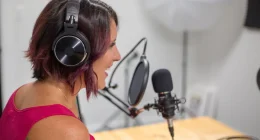
Podcasts deserve a real share of your effort. Edison Research’s Infinite Dial 2026 found that 58% of Americans 12 and older consumed a podcast in the last month, a record high, and 68% of 35- to 54-year-olds did. Those are the decision-makers many founders sell to.
Hosts need guests who teach something specific. Pitch an episode, not yourself: a title, three questions you can answer well and the proof asset as a show-notes resource. Our profile of a veteran interviewer who books experts on podcasts explains what hosts look for.
Keep a simple tracker: outlet, contact, date pitched, response, result. By week 10 you will see which angles get replies.

What should you do with coverage in weeks 11 and 12?
A single article or episode is worth far more when you put it to work. Turn each piece of coverage into:
- A short post on LinkedIn that shares the key point and links to the original.
- A line on a simple press page on your site listing outlet, date and headline.
- A slide or paragraph in your sales deck and proposal template.
- A quote you can use in your newsletter, credited to the outlet.
Thank every reporter and host after the piece runs, and share it with your own audience. It costs nothing, and it makes you the kind of source people call again. If you want to reuse a podcast clip, check the show’s terms or ask the host first.
Do not edit or overstate what was said. “Quoted in” and “featured in” mean different things, and buyers notice when a logo bar does not match reality.
What mistakes stall a 90-day authority plan?
Most plans fail for ordinary reasons, not because the founder lacks expertise. Watch for these five.
- Too many topics. Pitching five different ideas makes you hard to remember. One idea, repeated in different settings, is what sticks.
- No proof asset. Pitches built only on “our founder is an expert” give a reporter nothing to report. The data or framework from weeks three and four is the hook.
- Chasing only the biggest names. A national outlet may never reply. A respected trade title or a focused podcast can say yes this month and reach the exact buyers you want.
- Going quiet after the first hit. One article is a moment. A steady trail of appearances is what builds recognition over time.
- Buying shortcuts. Paid placements dressed up as coverage, or mentions that only exist to look like coverage, rarely earn trust from readers, reporters or search systems.
Budget your time, too. Plan on a few focused hours each week, with the heaviest load in weeks three, four and seven through ten. Put those blocks on the calendar now, before client work fills them.
How do you measure progress in week 13?
Go back to the notes from week two and repeat the same checks.
In Google Search Console, the branded queries filter, introduced November 20, 2025 and available to all eligible sites since March 11, 2026, separates searches for your name from everything else. Rising branded clicks are a reasonable sign more people know who you are.
Rerun your buyer questions in the AI tools. Note whether your company, your proof asset or your coverage now appears. Muck Rack’s late-2025 data found half of AI citations came from articles published within the previous 11 months, so fresh coverage has a real chance to show up.
Then be honest about the scorecard. Count pitches sent, replies, placements and podcast bookings. Keep the angles that worked. Drop the ones that did not. That becomes the plan for the next 90 days.
Back to that sales call. Next quarter, when a prospect asks where they have seen you, the answer should be specific: a trade article, a podcast episode, a piece of research with your name on it. That is what authority looks like up close.
Start your 90 days with a plan
The founder on that Thursday call did not need more hustle. They needed a sequence. Publicity For Good can help you sharpen your idea, build your target list and pursue coverage that fits. Coverage is never guaranteed, but a focused plan gives you a far better shot.
Frequently asked questions
How long does it take to build authority as a founder?
Ninety days is enough to set a foundation and earn early coverage, but authority compounds over years. Most founders see the clearest results after several consistent quarters of earned media and appearances.
Do I need a PR agency to build authority?
No. Founders can run every step in this plan themselves. An agency can add relationships, research and time, which matters most during the outreach weeks.
What is the fastest way to get press as a founder?
There is no guaranteed shortcut. The most reliable approach is offering reporters something new, such as original data or a clear expert view, tied to topics they already cover.
Are podcasts worth it for building authority?
For many founders, yes. Edison Research's 2026 study found 58% of Americans 12 and older consumed a podcast in the past month, and hosts regularly need knowledgeable guests.
How do I measure founder authority?
Track branded search in Google Search Console, coverage and podcast appearances earned, inbound requests from journalists, and whether AI assistants mention you when asked your buyers' questions.
Sources
- Google Search Central: Optimizing your website for generative AI features on Google Search
- Cision via Newswire: PR Emerges as the Primary Source for Journalists in High-Pressure Newsrooms
- MarTech Series: Earned Media Still Drives Generative AI Citations as Press Release Visibility Grows
- Edison Research: The Infinite Dial 2026
- Google Search Central Blog: Introducing the branded queries filter in Search Console