
Table of Contents Show
Key Takeaways
- Sustainable advocacy requires moving past the “performative activism” of vague slogans and into evidence-based design that turns every garment into a credible data source.
- Radical transparency from solar-powered manufacturing to QR-coded traceability is the only way to ensure our advocacy is as clean as the statistics we wear.
To truly bridge the gap between that first pair of space-themed jeans and the “Intellectual Streetwear” we create today, I want to pull back the curtain on how we actually build our pieces. For a garment to work as a tool for education, its own “biography” has to be as rigorous as the data stitched into it.
Here is the story of how we build a piece of evidence-based advocacy, ensuring every thread holds up to the same scrutiny as the statistics they represent.
The Foundation: 100% Recycled Fibers
I’ve always believed that a data point about climate change carries so much more weight when it isn’t printed on a fabric that actually contributed to the problem. That’s why we’ve committed to a circular fashion model that prioritizes the planet before the first stitch is even cast. Our shirts are made from 100% recycled cotton, and our sweatshirts use a durable recycled cotton and polyester blend.
I wanted to move beyond the usual “sustainability” claims you see everywhere, so we use AWARE™ technology and QR-coded Product Passports. These give you what I call “indisputable proof” of the recycled content and environmental savings for every single piece. It means you can verify the impact of your clothing as easily as you read the data on your sleeve, reducing the “greenwashing” uncertainty that plagues the fashion industry.
Ethics Stitched into the Supply Chain
My background in social impact taught me that advocacy is a bit of a contradiction if you ignore the hands that made the clothing. I make sure every piece of our apparel is manufactured in WRAP-certified facilities. This ensures that ethical labor practices like fair wages, safe environments, and lawful treatment are the non-negotiable baseline for everything we do.
Even the infrastructure matters to me. Our production facilities run on 85% solar-powered energy, and we even harvest rainwater for the production process to minimize our strain on local ecosystems. It makes me proud to know that the “data” behind how your shirt was made is just as clean as the research we’ve mapped onto the fabric. More than just selling a message, we are proving that the medium itself can be responsible and trustworthy.
The Leland Method: Architecture of Information
When I was studying Math Education at Bowdoin and later pursuing my MBA, I became obsessed with how numbers and history shape our world. That’s the heart of what I call the Leland Method. Unlike brands that just use social themes for an aesthetic “vibe” or a vague slogan, I treat every garment as a formal data visualization project.
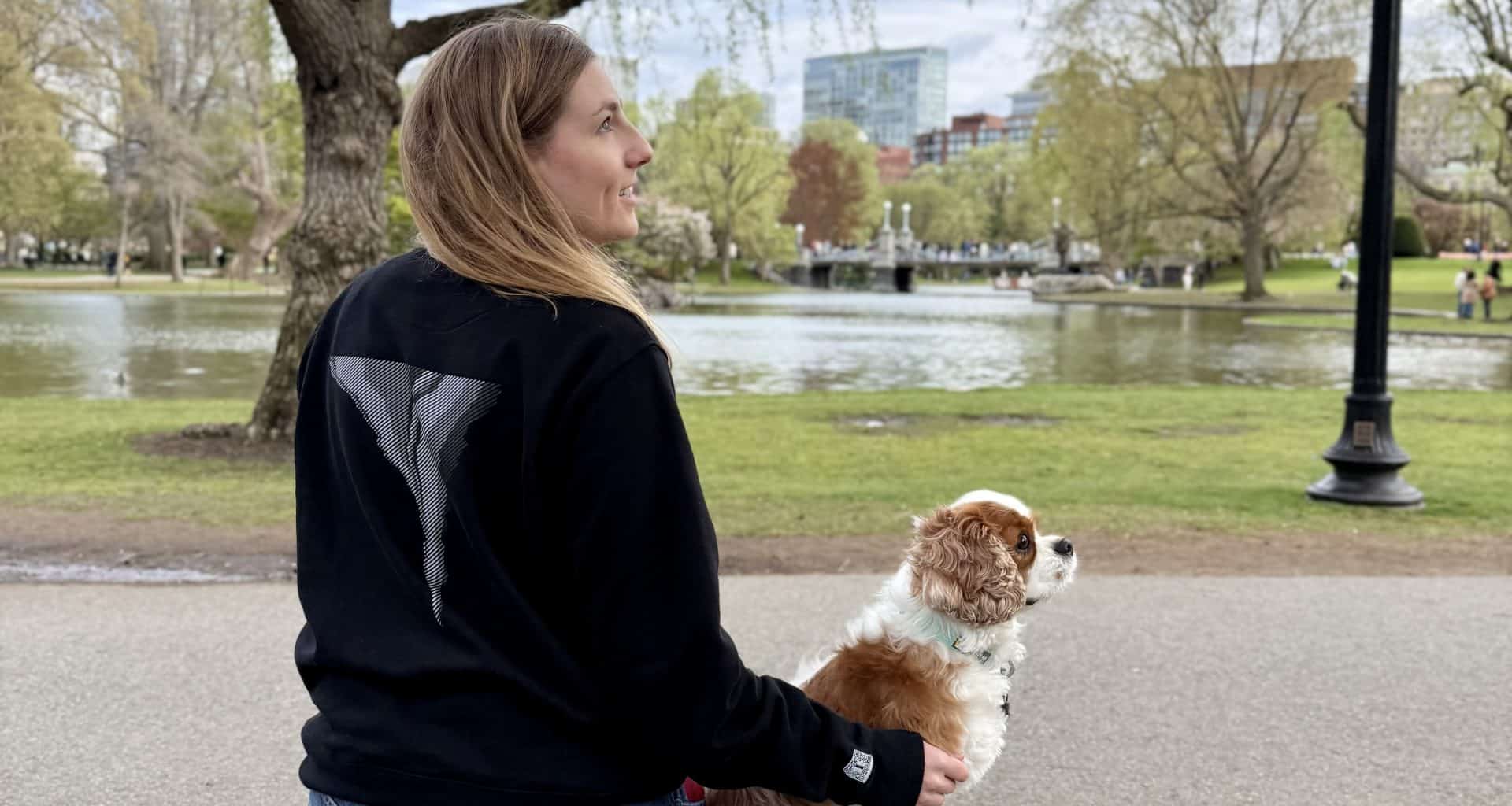
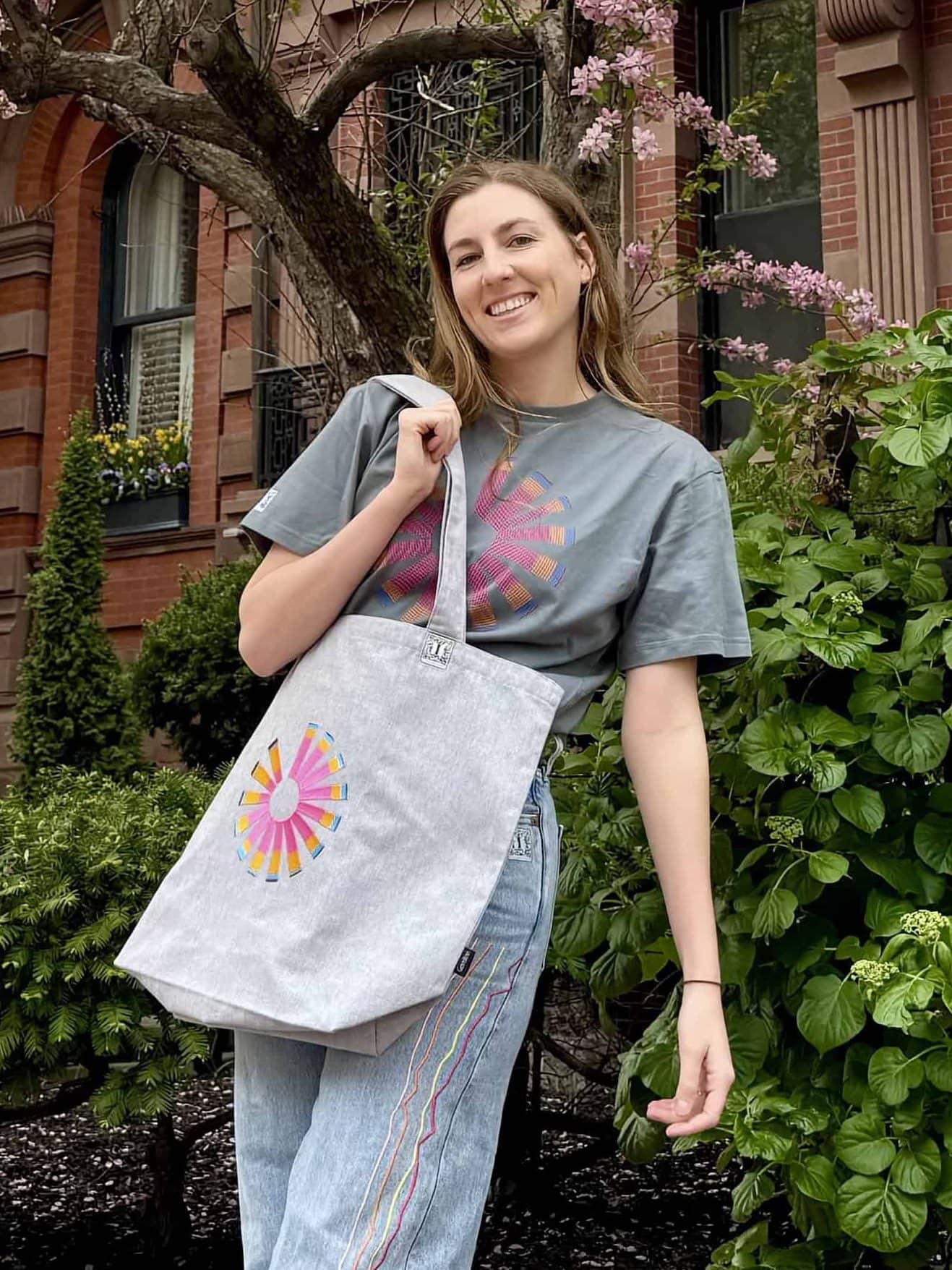
Our designs aren’t just “artistic interpretations”; they are direct visual mappings of specific research datasets. Because our brains process visual data so much faster than text, these “wearable infographics” become a high-speed tool for public awareness. I design them to be pedagogically sound, meaning they are actually built to help people learn, retain, and share complex info in a clear and accessible way. We are turning the wearer into a credible source of information rather than just a person with an opinion.
Meaningful Change and the “Custom Shop”

As I navigated the world of small-batch apparel, I realized that “buying new” isn’t always the only answer. This realization led to our Custom Shop, which I see as a cornerstone of our circular economy. We allow you to send in your own pre-owned garments to be upcycled with our data-driven embroidery.
This service is my way of fighting textile waste while fostering a deeper community dialogue. It’s about extending the life of what you already love and adding a layer of educational utility to it. By upcycling, we move away from trend-driven fashion and toward durable, meaningful pieces that tell a story worth keeping for years.
Impact Beyond the Stitch
The goal was always to move beyond just “talking the talk”. To make sure we’re driving real change, 5% of every purchase is donated directly to nonprofit partners that align with the data on that specific garment. Whether it’s climate change, gun safety, or inclusion, your purchase funnels resources back into the work that matches the story you’re wearing.
Each design is grounded in real research and partnered with an organization doing the heavy lifting in that field. It closes the loop: the data sparks the conversation, the garment raises the awareness, and your choice funds the solution. This is how we ensure fashion meets education in a way that creates a more equitable and just society.
If you’re ready to turn your own wardrobe into a tool for change, I’d love for you to head over to our website. You can explore our latest data-driven collections and dive into the actual research that grounds every design we make.
I also share a lot of the behind-the-scenes of our newest datasets and nonprofit partnerships on Instagram, TikTok, and Pinterest, so come say hi there too. Together, I really believe we can move social advocacy past the simple slogan and into something much deeper: evidence-based storytelling.