

Table of Contents Show
In “Effective Strategies for Crisis Management: Case Studies,” you will explore crucial insights and practical approaches to navigating crisis situations successfully. Through a series of compelling case studies, this article delves into the strategies adopted by various organizations to manage crises, providing valuable lessons to enhance your own crisis management skills. Discover the key principles and actions taken by these organizations to effectively handle and overcome unexpected challenges, ultimately ensuring the preservation of their reputation and success.

This image is property of images.unsplash.com.
Effective Strategies for Crisis Management: Case Studies
Crisis management is an essential aspect of any organization’s strategy to effectively navigate through challenging situations. By implementing the right strategies, a company can mitigate potential damages, restore trust, and even strengthen its reputation. In this article, we will explore the key elements of crisis management and examine case studies of notable crises, analyzing the strategies implemented and the lessons learned.
Overview of Crisis Management
Definition of Crisis Management
Crisis management refers to the process of handling a sudden and unexpected event that poses a significant threat to an organization, its stakeholders, and its reputation. It involves identifying, preparing for, and responding to crises with the aim of minimizing damage and preserving the organization’s credibility.
Importance of Crisis Management
Crisis management is crucial for organizations as it determines how effectively they can respond to emergencies. By having a solid crisis management plan, companies can safeguard their operations, protect their employees and customers, and mitigate potential financial losses. Moreover, successful crisis management can improve stakeholders’ perception of the organization’s reliability and trustworthiness.
Key Elements of Crisis Management
To effectively manage a crisis, organizations should focus on three key elements: leadership, preventive measures and preparedness, and communication strategies.
The Role of Leadership in Crisis Management
Effective Leadership during Crisis
During a crisis, effective leadership is paramount. Leaders must remain calm, composed, and decisive, providing clear guidance to their teams. They should be proactive in identifying potential risks, swiftly implementing countermeasures, and adapting strategies as the situation evolves. Furthermore, leaders should lead by example, demonstrating resilience, empathy, and a commitment to ensure the safety and well-being of all stakeholders.
Building Trust and Credibility
Leadership plays a crucial role in building and maintaining trust and credibility during a crisis. By prioritizing transparency, accountability, and ethical decision-making, leaders can instill confidence in their actions and decisions. They should communicate openly with stakeholders, addressing concerns, and providing regular updates. By demonstrating empathy and a genuine commitment to the interests of those affected, leaders can foster a sense of trust and loyalty.
Decision-making and Communication
Effective crisis management requires swift decision-making and efficient communication. Leaders must gather relevant information, analyze the situation, and make timely and well-informed decisions. These decisions should then be effectively communicated to all stakeholders, ensuring clarity, transparency, and consistency. By providing accurate and timely information, leaders can manage expectations, minimize rumors, and maintain trust with both internal and external stakeholders.
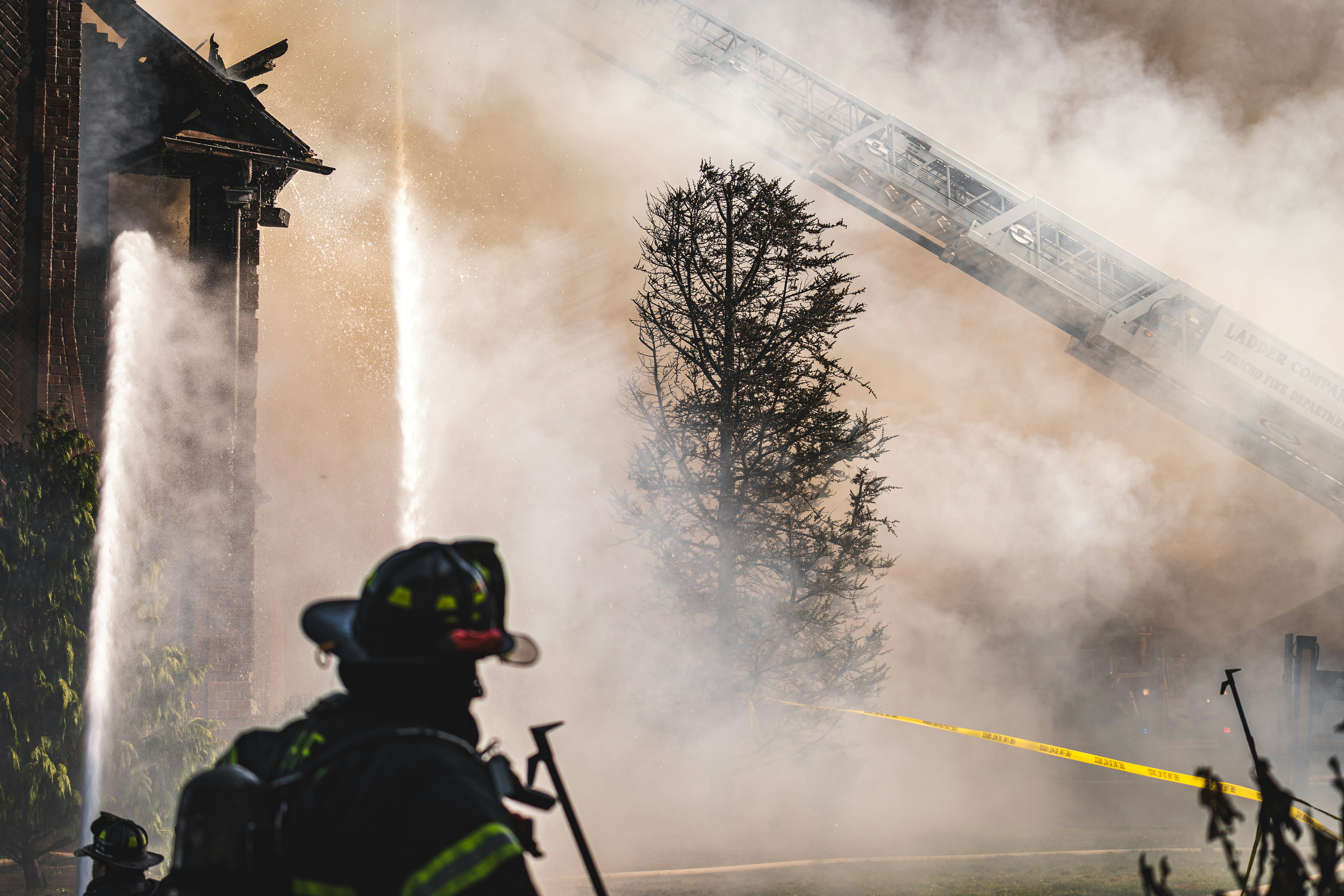
This image is property of images.unsplash.com.
Preventive Measures and Preparedness
Identifying Potential Risks and Vulnerabilities
Preventing a crisis is often more effective and less costly than managing one. Organizations should conduct thorough risk assessments to identify potential risks and vulnerabilities. This could include evaluating operational processes, supply chains, and external factors such as economic trends or natural disasters. By understanding these risks, organizations can implement proactive measures to mitigate or eliminate them.
Creating a Crisis Management Plan
A crisis management plan is a comprehensive blueprint that outlines the necessary steps and strategies to address a crisis effectively. It should include clear roles and responsibilities, predefined communication channels, and protocols for decision-making and response. A well-crafted plan ensures a coordinated and efficient response during the chaotic and high-stress environment of a crisis.
Conducting Regular Training and Drills
Preparedness is enhanced through regular training and drills. Organizations should simulate crisis scenarios and test the effectiveness of their crisis management plan. These exercises help identify any gaps or areas for improvement, ensuring that employees are well-equipped to handle a crisis when it occurs. By conducting regular drills, organizations can validate their crisis management strategies and enhance their overall readiness.
Communication Strategies
Developing a Crisis Communication Plan
Effective communication is crucial during a crisis, as it determines how stakeholders perceive and respond to an organization. Organizations should develop a crisis communication plan that outlines the key messages, communication channels, and strategies to be employed during a crisis. This plan should consider both internal and external communication and enable timely, accurate, and consistent messaging.
Effective Internal Communication
During a crisis, internal communication is essential for maintaining employee morale, ensuring alignment, and swiftly disseminating critical information. Leaders should establish open lines of communication, facilitating transparent and reciprocal dialogues with employees. Regular updates, town hall meetings, and dedicated communication channels can help keep employees informed and engaged, fostering a sense of unity and trust within the organization.
Transparent and Timely External Communication
Externally, organizations must be transparent and timely in their communication to maintain stakeholder trust and confidence. Regular updates should be provided to customers, partners, investors, and the general public through various channels such as press releases, social media, and websites. By proactively addressing concerns, providing accurate information, and demonstrating empathy, organizations can effectively manage external perceptions and mitigate potential reputational damage.

This image is property of images.unsplash.com.
Case Study 1: Tylenol Poisoning Crisis
Overview of the Crisis
In 1982, Johnson & Johnson faced a crisis when seven people died after consuming Tylenol capsules laced with cyanide. This incident posed a severe threat to the safety and trust of the public, as Tylenol was one of the leading pain relief products at the time.
Johnson & Johnson’s Response
Johnson & Johnson prioritized public safety by immediately issuing a nationwide recall of all Tylenol products, despite the significant financial implications. The company worked closely with law enforcement agencies, the FDA, and the media to ensure a coordinated response and maximize transparency. They also introduced tamper-proof packaging and reestablished trust through effective communication and community outreach programs.
Lessons Learned
This case study highlights the importance of swift and decisive action, prioritizing public safety over financial interests. Johnson & Johnson’s transparent and empathetic communication, along with their commitment to implementing preventative measures, positioned them as industry leaders in crisis management.
Case Study 2: British Petroleum Oil Spill
Overview of the Crisis
In 2010, British Petroleum (BP) faced a catastrophic oil spill in the Gulf of Mexico, resulting in the largest marine oil spill in history. The incident caused extensive environmental damage, loss of life, and financial repercussions for BP.
BP’s Crisis Management Approach
BP faced significant criticism for its initial response, as communication was perceived as reactive and lacking transparency. However, the company later took several steps to address the crisis more effectively. They established a dedicated claims process, committed to environmental cleanup, and implemented improved safety measures. BP also focused on rebuilding trust through transparency, communication, and multi-channel stakeholder engagement.
Impacts and Lessons Learned
The BP oil spill demonstrated the devastating consequences of inadequate crisis management. It highlighted the importance of proactive prevention measures and the need for transparent and timely communication. By actively taking responsibility, implementing rigorous safety protocols, and engaging with stakeholders at all levels, organizations can begin to regain trust and mitigate long-term damage.

Case Study 3: Toyota’s Recall Crisis
Overview of the Crisis
In 2009, Toyota faced a major crisis when reports of unintended acceleration and faulty brakes led to a massive recall of vehicles. This crisis severely impacted Toyota’s brand reputation, leading to a significant decline in sales and consumer trust.
Toyota’s Crisis Response
Toyota responded to the crisis by acknowledging the problem, initiating a comprehensive recall, and working closely with regulatory agencies. They established a hotline for affected customers, implemented enhanced quality control measures, and appointed a global quality task force. Toyota also prioritized transparent communication, keeping customers informed about the recall progress and providing reassurances of improved safety measures.
Effects on Brand Reputation and Recovery
Toyota’s recall crisis had a significant impact on its brand reputation and market share. However, by taking responsibility, implementing effective recall procedures, and improving transparency, Toyota gradually regained consumer trust. This case study emphasizes the importance of quick and decisive action, followed by open communication and ongoing commitment to improvement.
Case Study 4: Samsung Galaxy Note 7 Recall
Overview of the Crisis
In 2016, Samsung faced a crisis when reports emerged of their Galaxy Note 7 smartphones catching fire and exploding due to defective batteries. The situation quickly escalated, leading to a worldwide recall and causing significant damage to Samsung’s brand image.
Samsung’s Crisis Management Strategy
Samsung responded swiftly by recalling and discontinuing the Galaxy Note 7, prioritizing customer safety above all else. The company conducted thorough investigations to identify the root cause of the issue and implemented stringent quality control measures. Samsung also publicly apologized, provided compensation to affected customers, and initiated a comprehensive communication campaign to rebuild trust and reassure their customer base.
Rebuilding Consumer Trust
Samsung’s Galaxy Note 7 recall demonstrated the importance of prioritizing customer safety, taking immediate action, and effectively communicating with stakeholders. By implementing preventive measures, being transparent about the issue, and compensating affected customers, Samsung made significant strides in rebuilding consumer trust and recovering from the crisis.

Best Practices for Successful Crisis Management
Establishing a Crisis Management Team
Every organization should establish a dedicated crisis management team. This team should consist of individuals from different departments and levels within the organization, ensuring a diverse skill set and comprehensive approach. Clear roles and responsibilities should be assigned, and the team should receive specialized training to effectively handle crises.
Regularly Updating and Testing the Crisis Management Plan
A crisis management plan is not a one-time solution but an evolving document. Organizations must regularly update it to reflect changes in the business environment, resources, and potential risks. Additionally, regular testing and simulation exercises allow organizations to identify weaknesses and areas for improvement, ensuring the plan remains effective and relevant.
Implementing Continuous Improvement and Learning
Organizations should view crises as learning opportunities. A culture of continuous improvement should be fostered, where feedback and lessons learned from previous crises are thoroughly analyzed and incorporated into future crisis management strategies. By doing so, organizations can continuously enhance their preparedness, responsiveness, and overall crisis management capabilities.
In conclusion, effective crisis management requires a proactive and strategic approach. By building strong leadership, implementing preventive measures, and establishing clear communication strategies, organizations can navigate crises successfully. Through the analysis of case studies like the Tylenol poisoning crisis, the BP oil spill, Toyota’s recall crisis, and the Samsung Galaxy Note 7 recall, we can learn valuable lessons and best practices for crisis management. By adopting these strategies and continuously improving, organizations can effectively mitigate the impact of crises and safeguard their reputation and stakeholder trust.