Table of Contents Show
In “Navigating Through Crisis: Insights from the Management Experts”, you will gain valuable insights from industry professionals on effectively managing crisis situations. This article summarizes the key takeaways from a recent crisis management conference, where experts shared their knowledge and experiences. Discover practical tips and strategies that will equip you with the tools necessary to navigate through challenging times and emerge stronger than ever.

This image is property of images.unsplash.com.
Crisis Management Strategies
Overview of Crisis Management
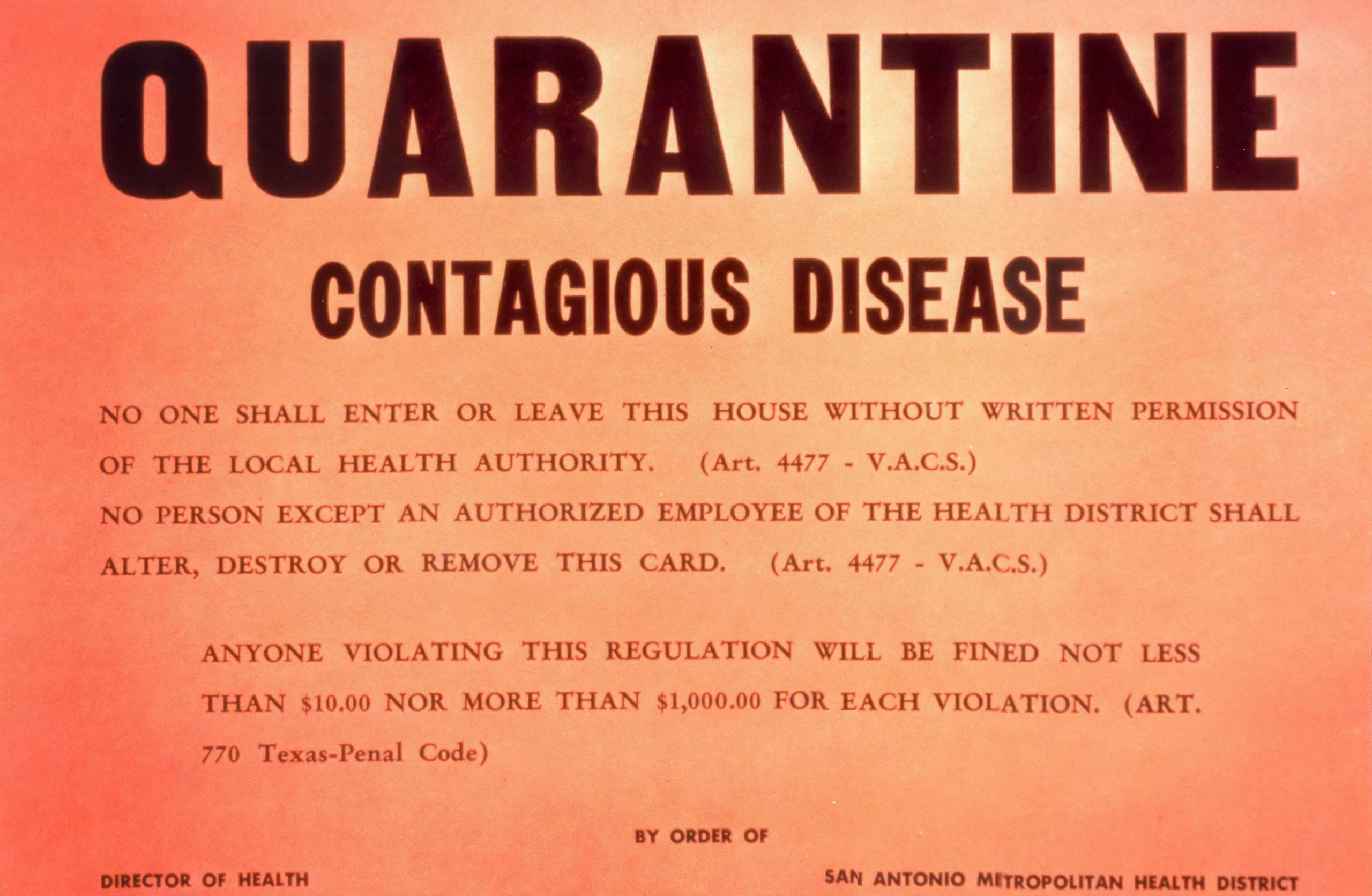
Crisis management refers to the process of effectively handling and addressing a crisis situation. It involves anticipating potential crises, preparing for them, and implementing strategies to mitigate their impact. Crisis management is essential for organizations to protect their reputation, maintain stakeholder trust, and ensure the smooth continuity of operations.
Key Elements of Effective Crisis Management
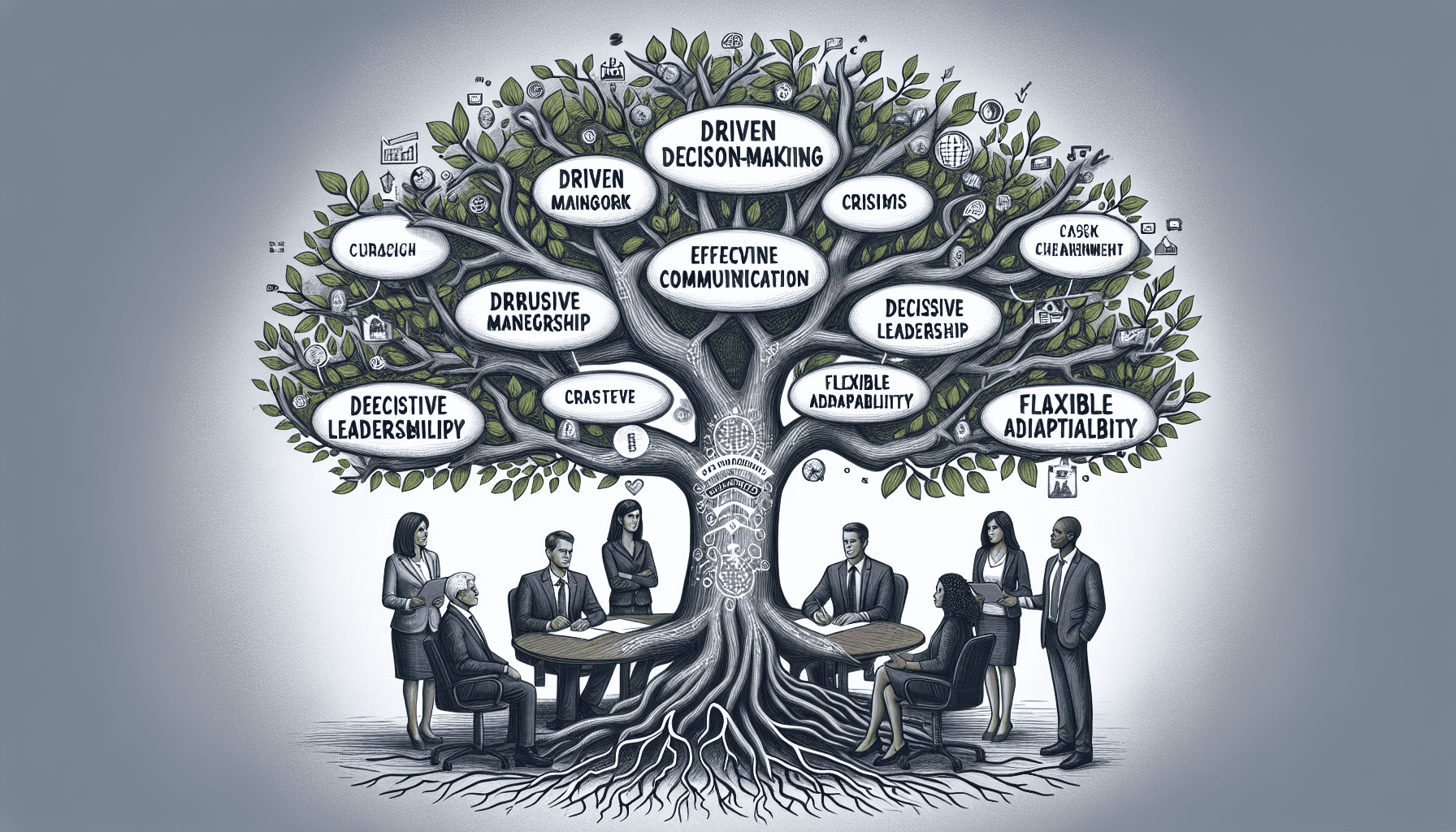
Effective crisis management comprises several key elements. Firstly, it requires a clear understanding of potential risks and vulnerabilities that may lead to a crisis. This includes conducting risk assessments and scenario planning to identify possible crisis scenarios and their potential impact. Secondly, effective crisis management involves developing a structured crisis management plan that outlines roles, responsibilities, and communication protocols. Additionally, crisis management also requires effective leadership, communication, decision-making, and the ability to build resilient teams. These elements work together to enable organizations to respond swiftly and effectively to crises.
Developing a Crisis Management Plan
To develop a crisis management plan, organizations should start by conducting a thorough analysis of potential risks and vulnerabilities. This involves identifying internal and external factors that could potentially lead to a crisis situation. Once risks are identified, organizations should then establish a crisis management team comprising key stakeholders from different departments. This team should be responsible for developing the crisis management plan, which should include clear objectives, steps to be taken during a crisis, and communication procedures. Regular training and testing of the plan are also crucial to ensure its effectiveness.
Implementing Crisis Management Strategies
Implementing effective crisis management strategies requires a proactive and systematic approach. Organizations should establish a clear chain of command and ensure that each team member understands their roles and responsibilities during a crisis. Key strategies include rapid response, effective communication, decision-making under pressure, and coordinated actions. The crisis management team should work closely with all relevant departments and external stakeholders to ensure a coordinated response. Regular evaluation and updates of crisis management strategies are vital to ensure continuous improvement and adaptability to evolving crisis situations.
Leadership in Times of Crisis
The Role of Leaders in Crisis Management
Leaders play a critical role in crisis management. They are responsible for providing guidance, making strategic decisions, and inspiring confidence in their teams and stakeholders. During a crisis, leaders must step up and take charge, ensuring that everyone understands the situation, objectives, and their roles. They should act as a reliable source of information, offering clear and concise communication to keep everyone informed and engaged.
Effective Leadership Styles during a Crisis
Different leadership styles can be effective during a crisis, depending on the situation and the organization’s culture. Transformational leadership, which inspires and motivates others, can be particularly valuable in times of crisis. This style encourages open communication, teamwork, and creativity, fostering innovation and adaptability. Additionally, leaders should demonstrate empathy, actively listen to concerns and viewpoints, and provide support to their teams. By creating a positive and supportive environment, leaders can help teams navigate through challenging times more effectively.
Building Trust and Confidence in Leaders
Trust and confidence in leaders are crucial during a crisis. Leaders should act ethically, transparently, and honestly, demonstrating their commitment to addressing the crisis and protecting the well-being of their stakeholders. They should regularly communicate updates and progress, ensuring that stakeholders are well-informed and feel included in the decision-making process. By building trust and confidence, leaders can foster a sense of unity and resilience within their organizations, enabling effective crisis management.
Leading through Uncertainty and Ambiguity
Crisis situations often involve uncertainty and ambiguity, which can create additional challenges for leaders. In such situations, leaders must embrace agility and adaptability, making decisions based on the information available while remaining open to adjusting their strategies as new information emerges. It is crucial for leaders to stay calm and composed, providing a sense of stability and reassurance to their teams. Effective leaders also encourage collaboration and seek input from diverse perspectives to enhance decision-making when faced with uncertain circumstances.
This image is property of images.unsplash.com.
Communication Strategies
Importance of Effective Communication during a Crisis
Effective communication is vital during a crisis as it helps manage uncertainty, reduce anxiety, and ensure accurate and timely dissemination of information. Clear communication enables organizations to provide updates, instructions, and guidance, which helps stakeholders make informed decisions and take appropriate action. Effective communication can also help organizations maintain public trust, address rumors or misinformation, and prevent the escalation of a crisis.
Crafting a Crisis Communication Plan
A crisis communication plan is essential for organizations to respond swiftly and effectively during a crisis. The plan should outline key communication objectives, designate responsible individuals or teams, and define protocols for message development and dissemination. It is crucial to adapt communication strategies to different stakeholders, considering their needs, preferences, and potential concerns. The plan should also establish channels for internal and external communication, including social media, press releases, and direct messaging.
Managing Internal and External Communication Channels
During a crisis, organizations must actively manage both internal and external communication channels. Internally, leaders should provide regular updates to employees, ensuring that they understand the situation, their roles, and any necessary precautions. Effective internal communication fosters a sense of trust and inclusiveness, enabling employees to remain aligned and focused. Externally, organizations should communicate with stakeholders such as customers, suppliers, shareholders, and the public. This includes promptly addressing concerns, providing accurate information, and maintaining transparent and open communication.
Using Media and Technology to Communicate in a Crisis
Media and technology play a significant role in crisis communication. Organizations should leverage these tools to disseminate information quickly and efficiently. Social media platforms, such as Twitter and Facebook, can be used to provide real-time updates and address questions or concerns. Websites and press releases can offer detailed information and official statements. Additionally, organizations may consider virtual meetings, webinars, or live streams to engage with stakeholders directly. However, organizations must ensure that the information shared through media and technology is accurate and consistent to avoid further confusion or misinformation.
Decision-Making in Crisis Situations
Challenges in Decision-Making during a Crisis
decision-making during a crisis can be challenging due to several factors. Time pressure, limited information, and high stakes can contribute to increased stress and ambiguity. In the face of urgency, leaders must make quick decisions while considering the potential consequences and risks. Additionally, the need to balance multiple priorities, diverse perspectives, and conflicting information can further complicate the decision-making process.
Developing a Structured Decision-Making Process
Having a structured decision-making process is crucial to ensure effective decision-making during a crisis. This process should involve gathering relevant data and information, analyzing the available options, evaluating potential risks and benefits, and considering the short and long-term implications of each decision. It is important to involve key stakeholders and subject matter experts in the decision-making process to gain diverse insights and perspectives. Additionally, organizations should establish decision-making criteria and establish clear roles and responsibilities to streamline the process.
Managing Risk and Uncertainty
Risk and uncertainty are inherent in crisis situations. Effective decision-making requires organizations to manage these factors by assessing potential risks, evaluating the likelihood and impact of different scenarios, and developing contingency plans. It is crucial to regularly review and update risk assessments as new information becomes available. Organizations should also develop strategies to mitigate risks, proactively identify potential obstacles, and adapt their decisions accordingly.
Balancing Speed and Accuracy in Decision-Making
Balancing speed and accuracy is essential during a crisis. The urgency to act swiftly can result in the temptation to make hasty decisions without considering all relevant factors. However, organizations must also strive for accuracy to ensure informed and effective decision-making. This can be achieved by establishing clear decision-making criteria, utilizing available data and expertise, and leveraging technology and tools for real-time information sharing. Regular evaluation and review of decisions allow organizations to learn from previous experiences and continuously improve their decision-making processes.

This image is property of images.unsplash.com.
Building Resilient Teams
Recognizing the Impact of Crisis on Teams
A crisis can significantly impact teams, both individually and collectively. High-stress levels, increased work demands, and uncertainty can lead to team members experiencing emotional strain and decreased productivity. It is crucial for leaders to recognize and empathize with these challenges, providing support and creating an environment that fosters well-being and resilience.
Enhancing Team Collaboration and Cohesion
Effective team collaboration and cohesion are crucial during a crisis. Leaders should encourage open communication, collaboration, and knowledge sharing among team members. This can be achieved through regular team meetings, virtual communication platforms, and establishing clear goals and deadlines. Building trust among team members is also essential, as it enables effective problem-solving, decision-making, and adaptability in times of crisis.
Managing Stress and Emotional Well-being
Managing stress and emotional well-being is vital for teams to navigate through a crisis successfully. Leaders should promote a culture that values work-life balance and encourages self-care. This can be achieved by providing resources for mental health support, offering flexible work arrangements, and encouraging breaks and mindfulness practices. Team members should also be encouraged to communicate their concerns and seek support when needed.
Fostering Adaptability and Innovation
Crisis situations often require teams to adapt and innovate rapidly. Leaders should foster a culture that encourages flexibility, creativity, and learning. This can be achieved by promoting a growth mindset, celebrating experimentation and learning from failures, and providing opportunities for training and skill development. By encouraging adaptability and innovation, teams can navigate through uncertainties and find effective solutions to emerging challenges.
Strategic Planning during Crisis
Adapting Strategic Plans to Crisis Situations
During a crisis, organizations must adapt their strategic plans to align with the evolving situation. This may involve revising objectives, reallocating resources, and reprioritizing activities. A thorough analysis of the crisis’s impact on the organization is necessary to identify areas that require immediate attention and adjustments. Strategic planning should focus on identifying opportunities for growth, optimizing operations, and ensuring long-term sustainability amidst the crisis.
Identifying and Evaluating Alternative Courses of Action
In times of crisis, organizations should explore alternative courses of action to address emerging challenges. This involves considering various scenarios, evaluating potential responses, and assessing their feasibility and potential outcomes. Leaders should involve key stakeholders in this process to gain diverse perspectives and input. It is crucial to balance short-term actions with long-term goals, ensuring that decisions made during a crisis align with the organization’s overall strategic direction.
Aligning Short-term Actions with Long-term Goals
Strategic planning during a crisis should consider the impact of short-term actions on long-term goals. While addressing immediate challenges is essential, organizations must ensure that their actions align with their long-term vision and values. This involves making decisions that maintain the organization’s reputation, honor commitments to stakeholders, and preserve trust. Leaders should continually evaluate and adjust strategies based on the evolving crisis situation, ensuring that short-term actions contribute to long-term resilience and success.
Monitoring and Evaluating the Effectiveness of Strategies
Continuous monitoring and evaluation of strategic actions are crucial during a crisis. Organizations should establish key performance indicators and metrics to assess the effectiveness of strategic decisions. Regular review meetings and feedback loops allow leaders to identify areas of improvement, address emerging risks, and make necessary adjustments. Monitoring the external environment, staying abreast of industry trends, and actively seeking feedback from stakeholders contribute to the ongoing evaluation and refinement of crisis management strategies.
Financial Management in Times of Crisis
Mitigating the Financial Impact of a Crisis
A crisis often presents financial challenges for organizations. To mitigate the financial impact, organizations should conduct a thorough assessment of their financial health and identify areas of vulnerability. This involves closely monitoring cash flow, reviewing expenditures, and identifying opportunities for cost reduction or reallocation. Organizations should also explore potential government assistance, insurance coverage, or alternative funding sources to support their operations during the crisis.
Developing Contingency Budgeting and Forecasting
Contingency budgeting and forecasting are crucial in times of crisis. Organizations should develop multiple financial scenarios that account for various levels of disruption and impact on revenue streams and expenses. This enables organizations to plan for different possible outcomes and establish contingency reserves or reallocate resources accordingly. Regularly reviewing and updating financial forecasts allows organizations to remain agile and respond effectively to changing circumstances.
Securing Alternative Funding Sources
In times of crisis, organizations may face challenges in accessing traditional funding sources. It is essential to explore and secure alternative funding options to support operations and mitigate financial risks. This may include negotiating flexible payment terms with suppliers, forming partnerships to share costs and resources, or seeking new sources of investment or loans. Organizations should also prioritize building strong relationships with financial institutions and investors to ensure the availability of support in times of crisis.
Optimizing Cash Flow Management
Effective cash flow management is vital during a crisis. Organizations should closely monitor cash inflows and outflows, ensuring they have sufficient liquidity to sustain operations. This may involve delaying non-essential expenditures, negotiating extended payment terms with creditors, and expediting receivables. It is also essential to maintain open communication with financial stakeholders, provide regular updates on cash flow projections, and proactively address any concerns or risks. Optimizing cash flow management helps organizations maintain financial stability and resilience during challenging times.
Ethical Considerations in Crisis Management
Ethical Challenges in Crisis Decision-Making
Crisis situations often present ethical challenges that require careful consideration. Leaders must navigate potential conflicts of interest, prioritize stakeholder well-being, and adhere to legal and regulatory obligations. They must make decisions that are fair, transparent, and consistent, while also addressing the urgent needs and demands of the crisis. Ethical decision-making frameworks and active discussion of potential ethical dilemmas can help guide leaders through these challenges.
Maintaining Ethical Standards and Integrity
Maintaining ethical standards and integrity is paramount during a crisis. Organizations should establish and communicate clear ethical guidelines and principles that guide decision-making and behavior. Leaders play a crucial role in setting the tone and ensuring that ethical standards are upheld throughout the organization. Transparency, honesty, and accountability are essential in building and maintaining trust with stakeholders. Organizations should actively address any breaches of ethical conduct and take appropriate corrective actions.
Communicating Transparently and Honestly
Transparent and honest communication is essential during a crisis. Organizations should provide accurate information promptly, acknowledging any challenges or shortcomings. It is important to avoid withholding critical information or providing misleading statements, as these actions can erode trust and escalate the crisis further. Organizations should communicate changes, actions, and plans with transparency, ensuring that stakeholders understand the reasoning and implications behind decisions. Honesty and transparency in communication build credibility and enhance the organization’s reputation.
Addressing Stakeholder Concerns and Responsibilities
During a crisis, organizations have a responsibility to address stakeholders’ concerns and needs. This includes listening to their feedback, addressing their questions and anxieties, and identifying ways to support them. Organizations should demonstrate empathy and provide appropriate resources for stakeholders who may be adversely affected by the crisis. Engaging with stakeholders through various communication channels, such as surveys or town hall meetings, can help identify and address their concerns effectively. By meeting stakeholders’ needs and responsibilities, organizations can foster stronger relationships and build resilience for the future.

Learning from Past Crises
Case Studies of Successful Crisis Management
Studying case studies of successful crisis management provides valuable insights and lessons for organizations to learn from. Analyzing how different organizations effectively managed crises can offer guidance on strategy, communication, decision-making, and leadership approaches. Successful case studies highlight the importance of preparedness, adaptability, collaboration, and learning from previous experiences. By applying the learnings and best practices from these case studies, organizations can enhance their crisis management capabilities and be better prepared for future challenges.
Analyzing Failures and Lessons Learned
Analyzing failures and lessons learned from past crises is equally important as studying successful cases. Examining why certain crisis management strategies failed or did not yield desired outcomes helps identify gaps and areas for improvement. Organizations should conduct thorough post-crisis evaluations, involving all relevant stakeholders, to identify weaknesses in their crisis management approaches. Honest and open discussions about failures and lessons learned contribute to a culture of continuous learning and improvement.
Applying Best Practices from Previous Crises
Applying best practices from previous crises is essential for organizations to enhance their crisis management strategies. Identification of effective approaches, processes, and techniques can serve as valuable references for organizations in times of crisis. Organizations should create repositories or knowledge-sharing platforms where best practices from past crises are documented and easily accessible to relevant stakeholders. Regular training and exercises that simulate crisis scenarios can help teams apply and refine these best practices, ensuring readiness when a real crisis occurs.
Evolving Crisis Management Strategies
Crisis management strategies should continuously evolve based on insights from past crises and emerging trends. Organizations should invest in research and analysis to identify evolving risks and vulnerabilities. Regular reviews and updates of crisis management plans, in collaboration with key stakeholders, ensure that strategies remain relevant and effective. Organizations should embrace a culture of innovation, encouraging teams to explore new solutions, technologies, and approaches in crisis management. By staying proactive and adaptable, organizations can strengthen their resilience and effectively navigate future crises.
Preparing for Future Crises
Developing a Proactive Crisis Preparedness Plan
A proactive crisis preparedness plan is crucial for organizations to anticipate and mitigate the impact of future crises. This involves conducting thorough risk assessments, scenario planning, and identifying potential vulnerabilities. Organizations should develop a comprehensive crisis management framework that outlines roles, responsibilities, and communication protocols, ensuring clear lines of authority and decision-making. Regular training, simulations, and drills help familiarize teams with the plan, enabling a swift and coordinated response when a crisis occurs.
Risk Assessment and Scenario Planning
Risk assessment and scenario planning play a crucial role in crisis preparedness. Organizations should assess potential risks and vulnerabilities by considering internal and external factors that may impact their operations. This involves analyzing potential crisis scenarios, evaluating their likelihood and potential consequences, and identifying strategies to mitigate or respond to each scenario. Organizations should also anticipate emerging risks, such as technological disruptions or changes in market dynamics, to stay ahead of potential crises.
Building Crisis Management Capabilities
Building crisis management capabilities requires organizations to invest in resources, tools, and training to enhance their preparedness and response capabilities. This includes developing a crisis management team with the necessary skills and knowledge, establishing clear communication channels and response protocols, and implementing crisis management technologies and tools. By building the necessary capabilities, organizations can respond to crises more effectively and minimize potential damages and disruptions.
Training and Testing Crisis Response
Regular training and testing of crisis response plans are critical to ensure their effectiveness and identify areas for improvement. Organizations should conduct drills, simulations, and tabletop exercises that simulate crisis scenarios to test the readiness and effectiveness of their crisis response teams. These activities help identify gaps, weaknesses, and opportunities for refinement. Lessons learned from testing exercises should be incorporated into future crisis management strategies, allowing organizations to continuously improve their crisis response capabilities.
In conclusion, crisis management is a vital aspect of organizational resilience and success. Effective crisis management requires an understanding of key elements, the development of a comprehensive crisis management plan, implementation of effective strategies, and continuous evaluation and improvement. Leadership, communication, decision-making, teamwork, and ethical considerations are essential components of successful crisis management. By learning from past crises, preparing for future challenges, and building a proactive and adaptable approach, organizations can navigate through crises effectively and emerge stronger.